

This ongoing program consists of three interrelated steps that develop a range of transportation alternatives for a given project and ultimately create a single Preferred Alternative that addresses community, environmental, and other needs. The steps of the program are briefly described as follows:
- Alternatives Analysis (including Concept Development) considers a range of transportation alternatives in terms of how they address the Project Purpose and Need. This review includes an Initial Screening Process during which numerous concepts are reviewed qualitatively to identify which best meet the Purpose and Need. The Route 17 Bottleneck Project Purpose and Need is discussed on the Home page.
- Preliminary Engineering may be considered the second part of Alternatives Analysis. During Preliminary Engineering, a refined list of concepts and variations is studied in greater detail to define and quantify the impacts and benefits of each. At the start of this process, the Public Outreach effort commences through a series of meetings with public officials, during which particular issues and concerns are discussed. This input is then combined with technical studies of roadway design, traffic operations, structures, drainage, right-of-way, environmental issues, and other factors. The Route 17 Bottleneck Project Public Outreach process is discussed on the Public Involvement page.
- Environmental Documentation establishes how the project will preserve and/or mitigate the natural and community environments when the project is designed and constructed. The project may require a Categorical Exclusion (CE), Environmental Assessment (EA), or Environmental Impact Statement (EIS) depending on the nature and scope of the environmental impacts identified. All of these documents describe the impacts and proposed mitigations or ameliorations, pursuant to the National Environmental Policy Act (NEPA).
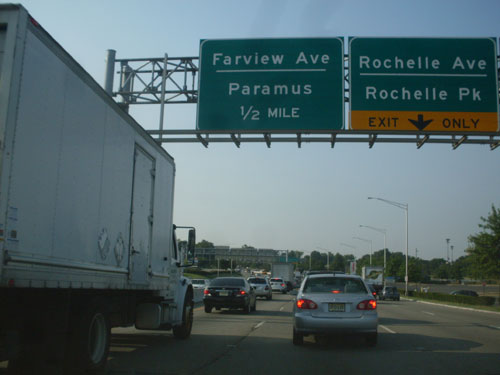
Four particular Project Needs have been identified in the Project Purpose and Need:
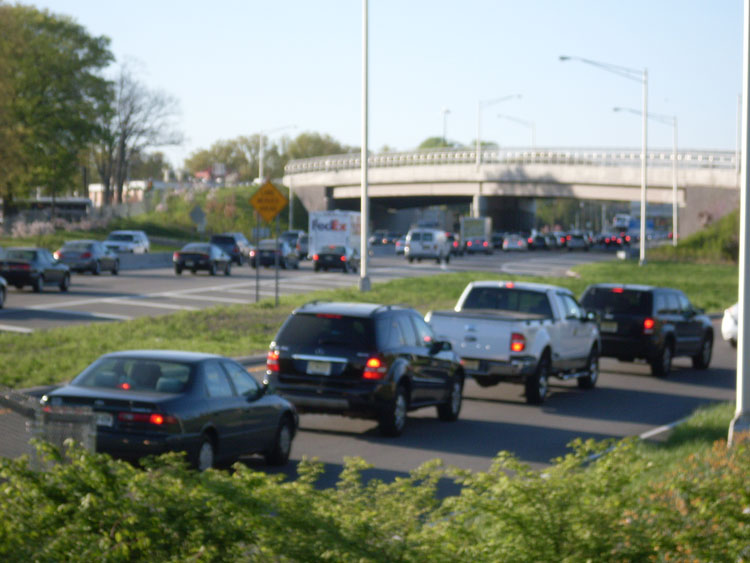
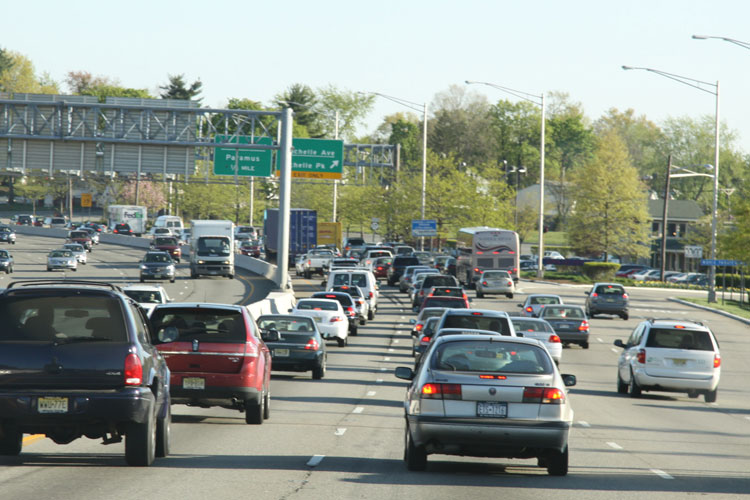
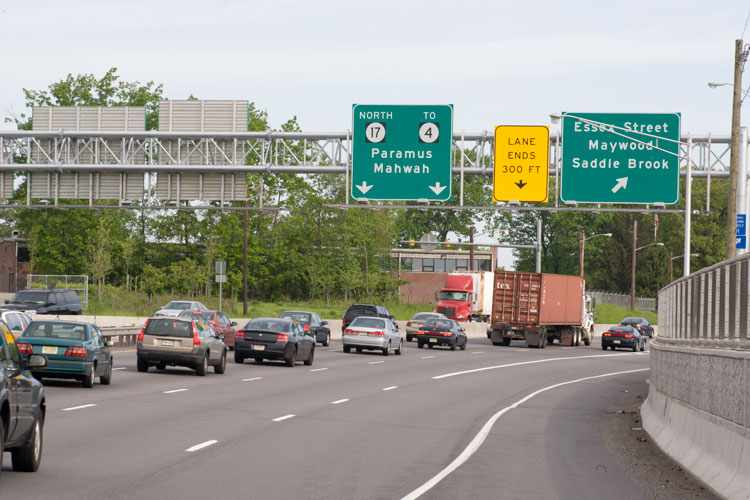
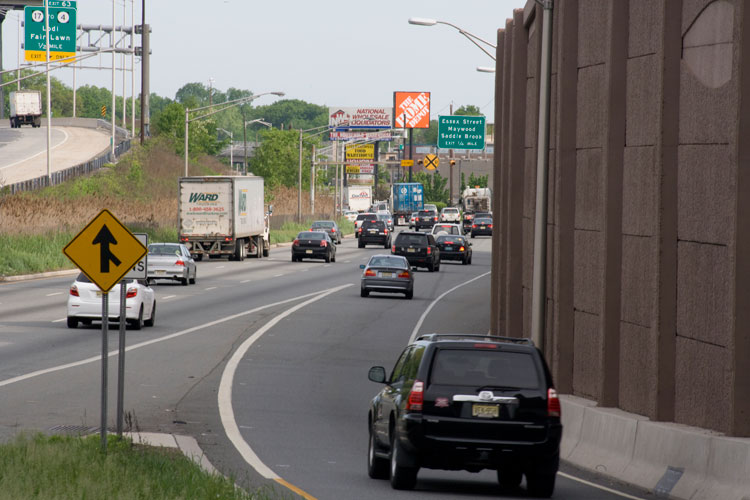
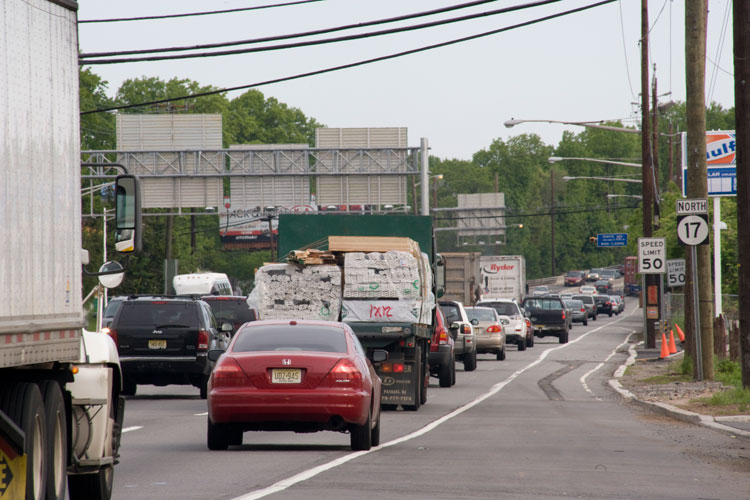
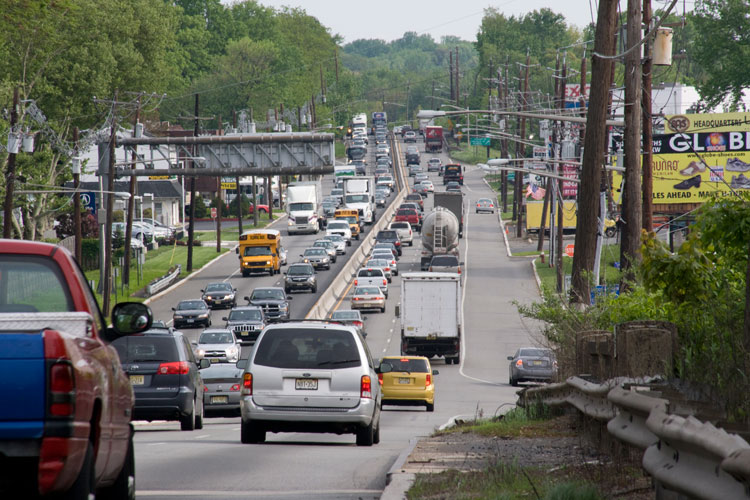
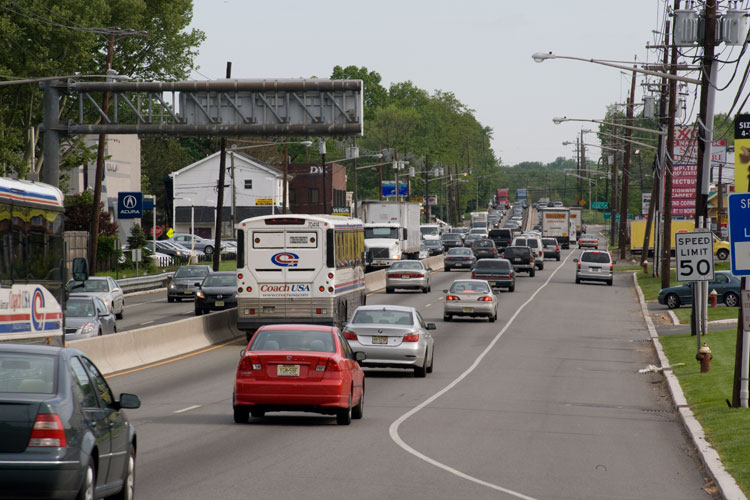
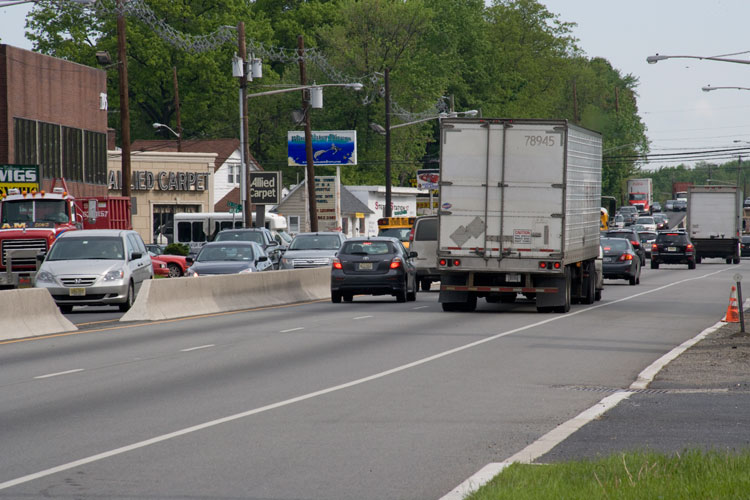
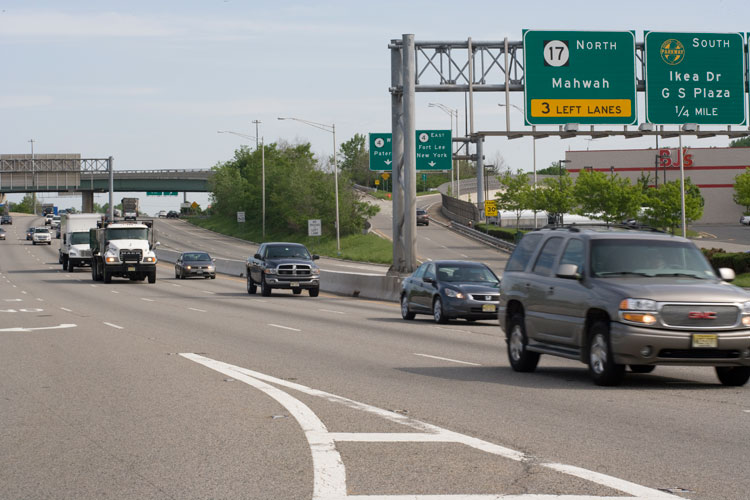
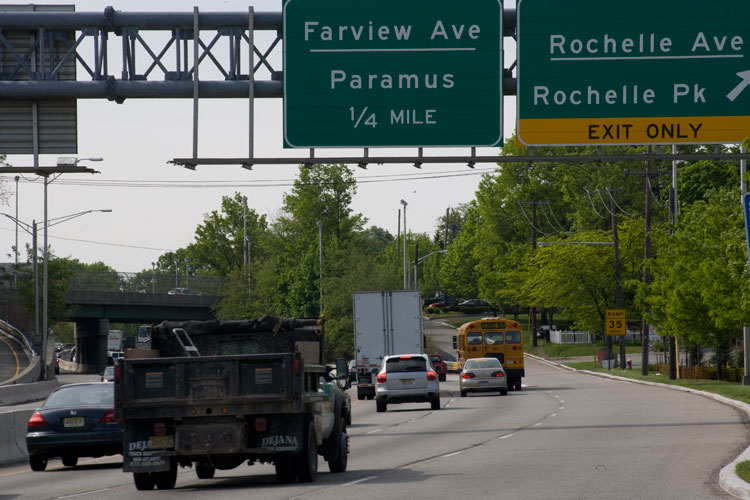
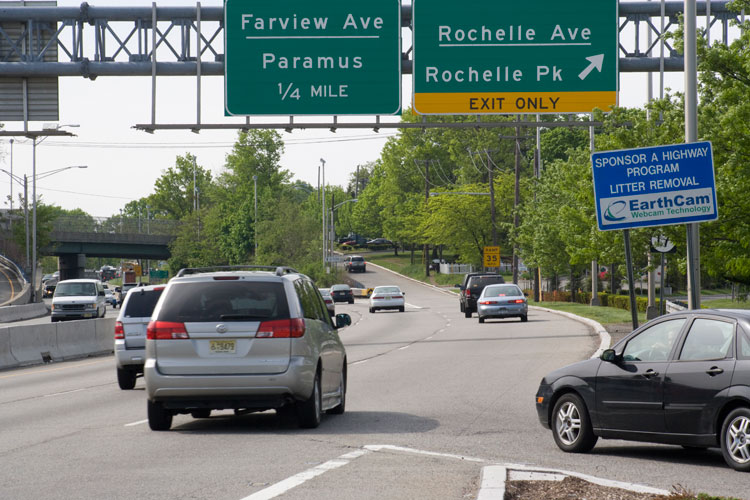
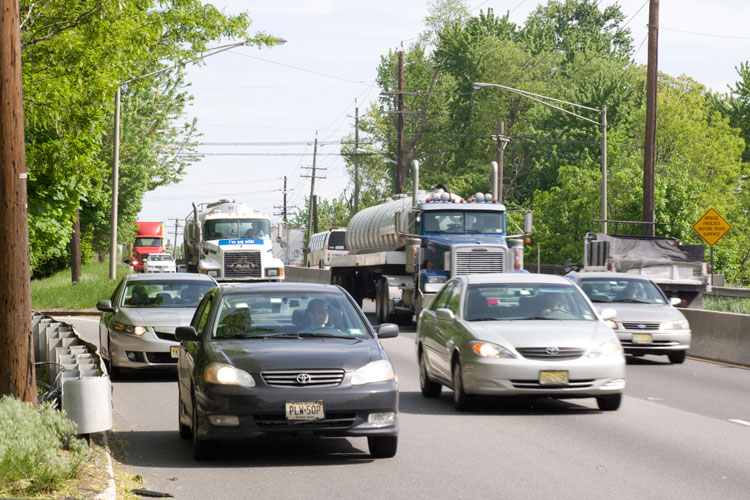
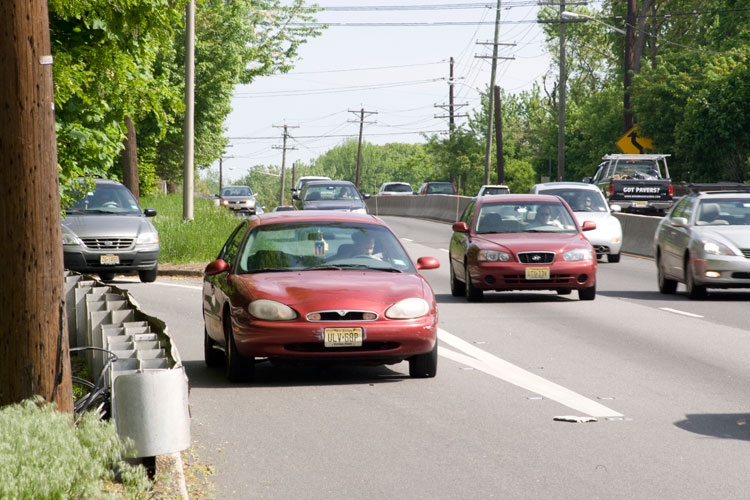
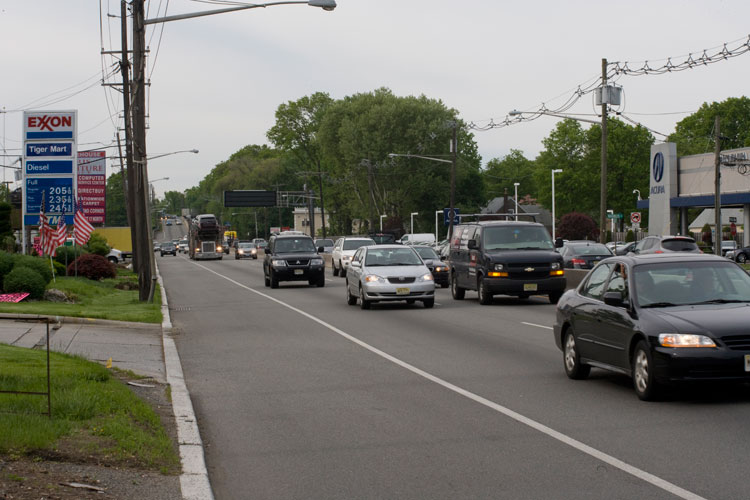
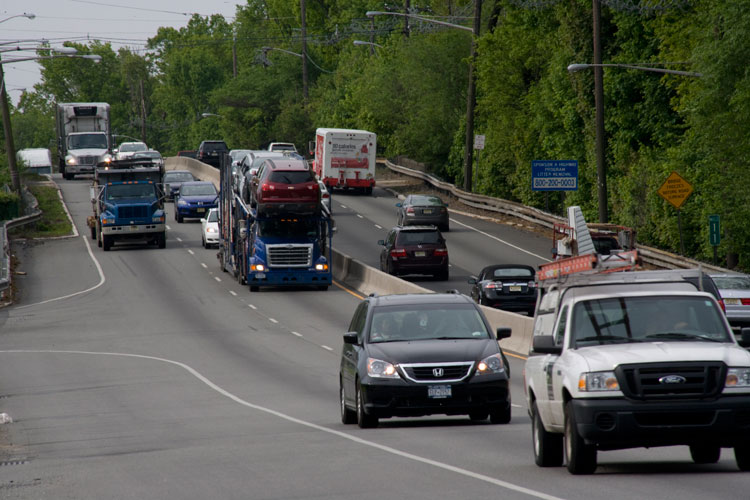
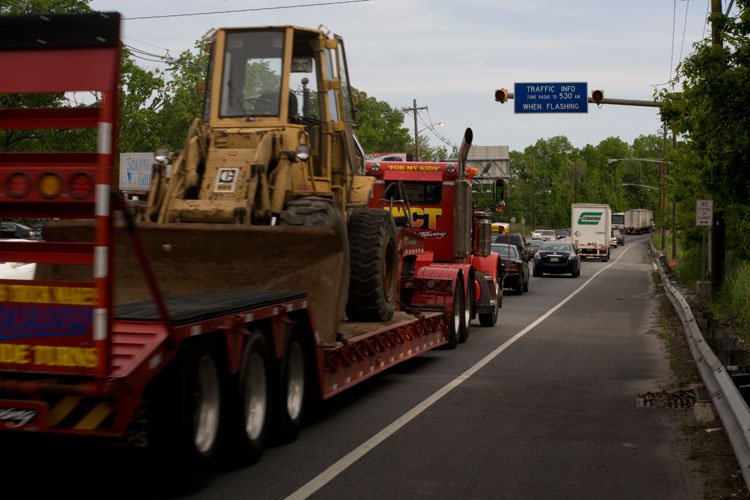
- Alleviate traffic congestion and improve operational reliability along the Route 17 “bottleneck”
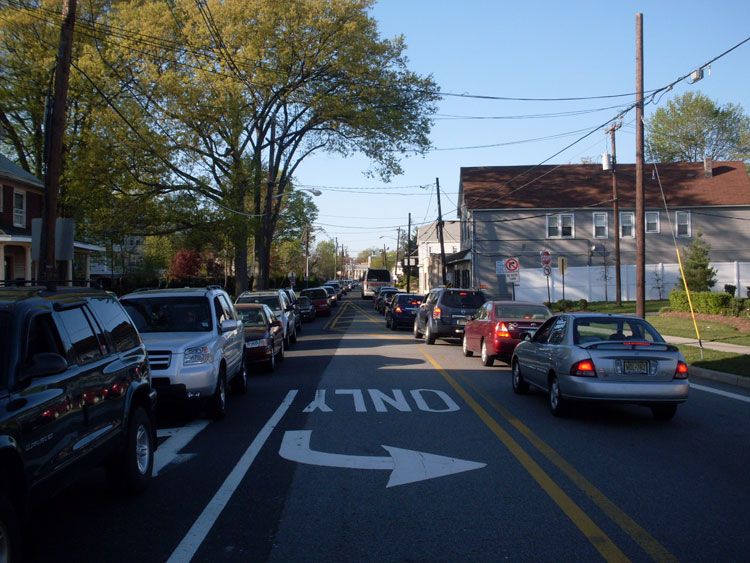
- Restore the appropriate balance of traffic between Route 17 and parallel local and county streets
- Improve safety in the project corridor
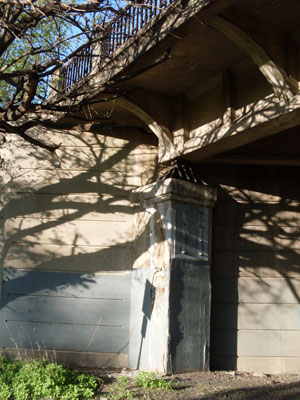
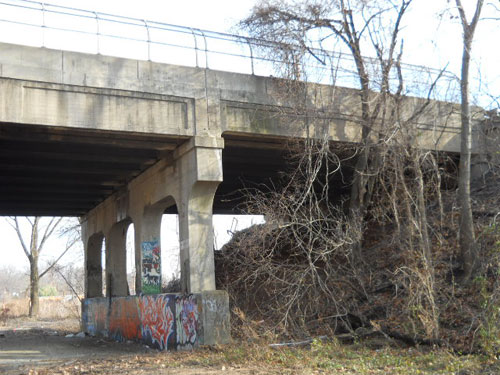
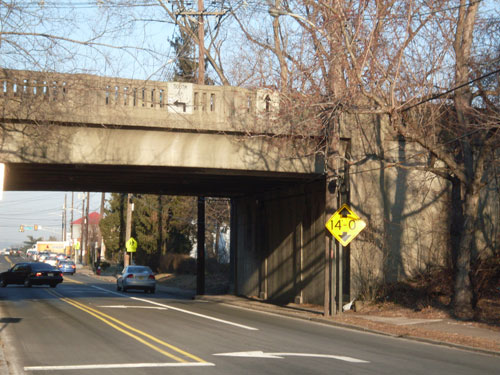
- Improve the condition and reliability of the existing corridor infrastructure, including structures, pavements, drainage, and related features
Through the Alternatives Analysis, Preliminary Engineering, and Environmental Documentation process, a range of concepts and variations have been developed and tested against these Project Needs and the concerns of motorists, communities, public transit, the environment, and other stakeholders. The program of Alternatives Analysis, Preliminary Engineering, and Environmental Documentation exists to make sure that all of the important needs and concerns are accounted for before beginning engineering design.
A second series of meetings with public officials were held in March 2010. Further comment and input was received and considered.
Following the installation of the current Board of Chosen Freeholders, two (2) presentations and Question & Answer sessions were held at Board Working Meetings, open to the public, in February and March 2011.
Public Information Centers (PICs) will be held at major milestones or phases to allow for public review, exchange of information and ideas, and to seek public input. At the PICs, team members will answer questions and hear comments from attendees. Comment sheets will be provided so that interested residents and other stakeholders can submit written comments to the project team. For each PIC, a summary will be prepared to identify and document the major issues raised by the public and other stakeholders regarding the project. These issues will be taken into consideration during the project development process.
The first Public Information Center, following advancement of technical studies, was held on Tuesday, April 20, 2010. Over 125 local stakeholders, business owners, and residents attended this first PIC, held at the Maywood Public Library. Comments received at the PIC have been reviewed and will be considered in the forthcoming selection of a Preliminary Preferred Alternative (PPA).
In May 2012, a meeting was held by the Bergen County Board of Chosen Freeholders, to which representatives of the three municipalities within the “Bottleneck” section were invited to participate and comment upon the process and alternatives developed through that time. Numerous comments were received, and additional studies of right-of-way valuation and effects were undertaken and distributed to the three municipalities. Review and discussion initiated in this process is ongoing.
A second Public Information Center is currently anticipated to be held during mid-late 2014, following the conclusion of reviews by the primary public transportation agencies (Bergen County, NJDOT, and FHWA) of Alternative 2 (see the Project Status page). A third series of meetings with public officials is also anticipated to be held at this time.
A third Public Information Center, including a Public Hearing for the draft environmental document, is planned following the selection of the Preliminary Preferred Alternative (PPA) and the submittal and public review of the draft environmental document and technical support documents. A timetable for this third PIC has not been established. A fourth series of meetings with public officials is also anticipated to be held at this time.
In addition to the public officials meetings and Public Information Centers, community members may provide input directly through this website. A comment form is available on the Contact page.
It is currently anticipated that the completion of the Alternatives Analysis, Preliminary Engineering, and Environmental Documentation process will require an additional 12-18 months and include these milestones:
- Completion of Technical Studies – Expected mid-2014
- Next Round of Public Involvement / Second Public Information Center – Expected Mid-Late 2014
- Recommendation for Preliminary Preferred Alternative (PPA) – Expected Late 2014
- Publication of Draft Environmental Document and Technical Support Documents – Expected Early 2015
- Stakeholder / Public Review Period – Expected Spring 2015
- Additional Round of Public Involvement / Third Public Information Center (Comments to Environmental Documentation) –Expected Spring 2015
- Agency Approvals (Anticipated) – Summer-Fall 2015
 Page Updated 4/28/2014